6 Things Dogs Do That Actually Mean "I Love You"
- Dogs can't say "I love you
- " but six behaviors reliably signal attachment: soft eye contact
- following you
- leaning
- joyful greetings
- sleeping close
- and contagious yawning. Look at the whole body
- not a single signal.
Your dog has never said a word to you, and yet you probably already feel certain they love you. The stare across the living room. The thump of a tail when you walk in. The warm weight against your leg on the sofa. Is that just wishful thinking? Not quite. Science can't measure "love" the way a poet describes it, but it can measure attachment, bonding hormones, and brain responses, and the results keep pointing in the same direction.
1. The Soft, Steady Eye Contact
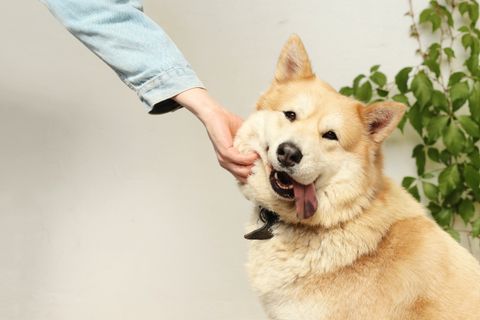
In 2015, a study published in the journal Science by Miho Nagasawa and colleagues found that when dogs and owners gazed at each other, oxytocin levels rose in both. Oxytocin is the same bonding hormone linked to the attachment between parents and infants. The effect worked as a loop: the longer the gaze, the more oxytocin, and the more oxytocin, the more the dog looked.
- Dog Care Tips
- Cat Health Guide
- Pet Nutrition
- Training Advice
- Pet Adoption Stories
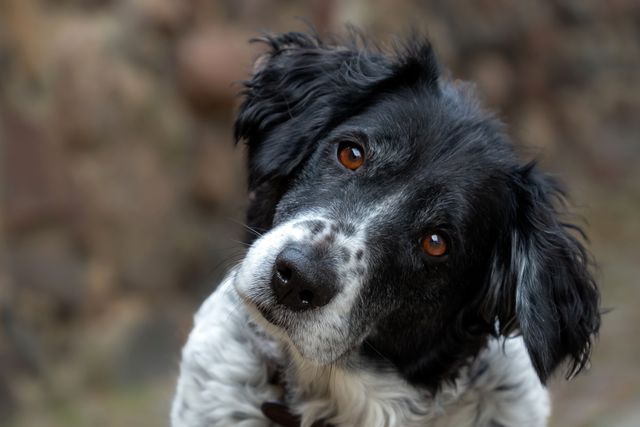
A long, relaxed look from your dog is not a stare-down. It's a hello that never quite ends.
The key word is relaxed. Loving eye contact comes with a soft face, loose body, and blinking. A hard, fixed, unblinking stare with a stiff posture is a very different message and should not be mistaken for affection.
2. Following You From Room to Room
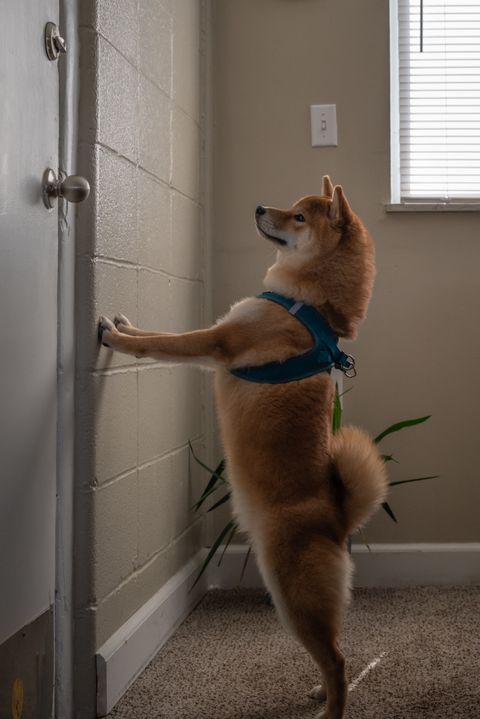
If you can't go to the kitchen, the bathroom, or the laundry basket without a furry shadow, that is not random. Dogs are social animals, and a dog who has formed a strong bond with a person tends to want to be near that person. Behaviorists often describe this as using you as a secure base, a concept borrowed from human attachment research, where a bonded individual feels safer and more confident when their special person is close.
It can have other causes too, such as boredom or the hope of a snack. But a dog who simply settles down in the doorway where they can see you is usually saying something simple: this is where I want to be.
3. Leaning, Nudging, and Full-Body Contact
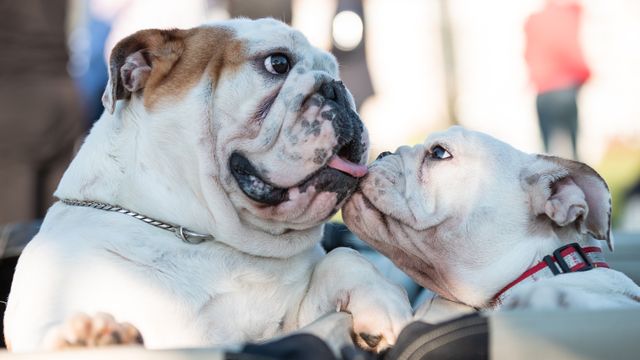
Dogs don't hug the way people do. In fact, many dogs find tight hugs stressful. What they do instead is lean: pressing their weight against your legs, resting a chin on your knee, or pushing a head under your hand. This kind of contact is a choice the dog makes, and dogs don't tend to seek close physical contact with people they are wary of.
When a dog leans into you, they're not asking for much. They're telling you that you're safe to be close to.
If your dog sits on your feet or curls up against your side, take it as a compliment. Dogs that are comfortable and secure around a person are far more likely to rest in contact with them.
4. The Whole-Body Welcome Home
You've only been gone twenty minutes, but your dog greets you as if you've returned from a long voyage. A loose, wiggly body, a broad sweeping tail, ears relaxed, maybe a happy whine or a toy carried over in their mouth. Research on tail wagging suggests dogs tend to wag a little more to the right side of the body when they feel positive emotions, such as seeing a familiar person.
Brain imaging research adds another clue. In studies led by neuroscientist Gregory Berns, dogs trained to lie still in an fMRI scanner showed a stronger response in a reward-related region of the brain to the scent of a familiar person than to other smells. Your arrival is, to your dog's brain, a genuinely rewarding event.
5. Sleeping Near You (or On You)
Sleep is the most vulnerable state any animal enters. A dog that chooses to nap at your feet, beside your bed, or against your back is trusting you to stay on watch while they let their guard down. It's a quiet, easily overlooked sign of confidence in you.
Some dogs prefer their own space while sleeping, and that doesn't mean they love you less. Plenty of deeply bonded dogs simply like a cooler spot or a bed of their own.
6. Catching Your Yawns
It sounds trivial, but research suggests that dogs can catch human yawns, and some studies have found they are more likely to do so when the yawner is someone familiar to them than when it's a stranger. Contagious yawning is linked in humans to social connection and empathy, which is why researchers have taken an interest in whether dogs might share something similar with us. The findings are still debated, and not every study agrees, so it is best treated as an intriguing clue rather than proof.
What to Remember About Dog Affection
None of these signs needs to be present for your dog to be attached to you. Dogs are individuals, and some are more demonstrative than others. Young puppies, shy rescues, and certain breeds may show affection in quieter ways, and a dog's love can look very different from one household to the next.
It also helps to look at the whole picture. A tail wag, a lean, or a stare means the most when the rest of the body is loose and relaxed. If your dog seems stiff, avoids you, or suddenly changes their usual habits, it is worth checking in with a vet or a qualified behaviorist rather than assuming something is wrong with the bond.
Saying It Back
The good news is that you already speak a version of this language. Calm eye contact, a gentle scratch behind the ears, a walk together, an unhurried afternoon on the sofa: these are all things dogs understand and appreciate far better than a tight squeeze.
So the next time your dog looks up at you with that soft, steady gaze, you don't have to wonder what it means. Whatever words we use for it, they are telling you the same thing you've been telling them all along.
Frequently Asked Questions
How do I know if my dog loves me?
Look for relaxed eye contact, following you from room to room, leaning on you, joyful greetings, and sleeping near you, all signs of a secure bond. ;
Does my dog love me if it doesn't cuddle?
Yes. Many dogs show affection in quieter ways, such as staying nearby, and some simply dislike being held tightly. ;
Is it true that eye contact releases oxytocin in dogs?
Yes. A 2015 study in Science found mutual gazing raised oxytocin levels in both dogs and their owners. ;
Do dogs like hugs?
Many dogs find tight hugs stressful. Leaning, gentle petting, and sitting together are usually more comfortable ways to show affection.
Sources
- Nagasawa et al. 2015 (Science)
- Gregory Berns canine fMRI research
- canine attachment and behavior studies
- contagious yawning research